
About this game
Core Concept
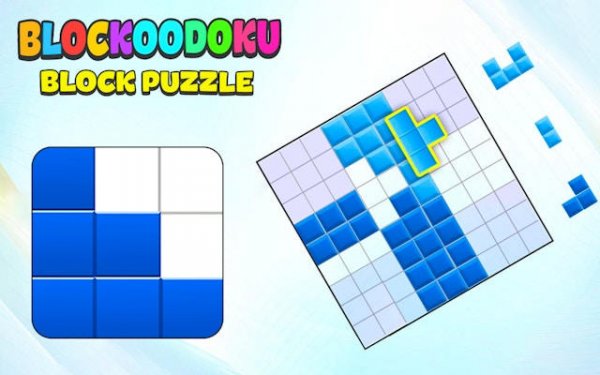
Tile Grid Logic Puzzle merges the row-clearing satisfaction of Sudoku with the spatial reasoning of block fitting. Players receive a set of polyomino shapes and must position them on a 9x9 grid. The goal is to complete entire rows, columns, or 3x3 subgrids. Each completed section vanishes, freeing space and awarding points. The game ends only when no more shapes can be placed. This hybrid design ensures every session feels distinct, as the shape combinations and board states vary widely.
Strategic Depth
Success depends on looking ahead. Placing a large shape now might block a future opportunity. Players must balance immediate gains against long-term board health. Clearing a 3x3 subgrid removes nine cells at once, but focusing only on small sections can leave the rest of the board cluttered. Over time, players develop an intuition for which shapes fit where, and how to keep multiple clearing paths open. The absence of a timer encourages thoughtful deliberation rather than speed.
Visual Design & Accessibility
The interface uses a minimal color palette with clearly defined grid lines and shape outlines. Each polyomino piece is color-coded to stand out against the board, reducing visual strain during long sessions. Controls are straightforward: drag a shape from the tray and drop it onto an empty cell. The game provides subtle feedback when a placement is valid or invalid. No distracting animations or sound effects interrupt the focus. This design makes the puzzle accessible to younger players and those new to logic games, while still offering enough complexity for experienced solvers.
Progression & Replayability
Tile Grid Logic Puzzle does not use levels or difficulty sliders. Instead, the challenge emerges naturally from the random shape selection and the player's own decisions. Each game presents a fresh arrangement of polyominoes, so no two playthroughs are identical. The scoring system rewards efficient clearing: completing multiple sections in a single move yields bonus points. This encourages players to experiment with different placement orders. The game can be played in short bursts during a commute or extended sessions for deeper concentration.
Who Will Enjoy This Game
Fans of Sudoku, nonogram, or jigsaw puzzles will find familiar satisfaction here. The game also appeals to anyone who enjoys spatial reasoning challenges, such as those found in Tetris or tangram puzzles. Because there are no time limits, it suits players who prefer a relaxed pace. The lack of text or complex menus makes it easy to pick up without reading instructions. Parents may appreciate that the game offers a screen-based activity that exercises logic without violence or pressure.








Audience comments
Sign in to comment
You must be logged in before posting a review or rating.
No account? Create one
No comments yet. Be the first to comment!