
About this game
Spin-and-Solve Mechanics
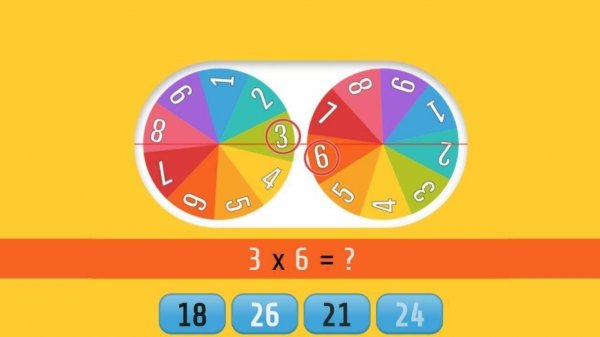
Each round begins with two wheels, each displaying a set of numbers. A simple tap sets them spinning, and another tap stops them. The two numbers that land face-up become the factors you need to multiply. This blend of random selection and mental calculation keeps each turn fresh. The game does not rely on memorized sequences, so every session feels like a new challenge. Players must quickly compute the product and enter their answer. The interface provides immediate feedback, highlighting correct responses and gently noting errors. This loop of spin, calculate, and confirm builds fluency without the monotony of traditional drills.
Progress Tracking Over Time
The system records how quickly you answer each question. After a set number of rounds, usually around ten, the game displays your average response time and accuracy percentage. This data helps you see improvement across multiple play sessions. Younger players might focus on getting the right answer, while older ones can challenge themselves to beat their previous speed. The tracking is designed to encourage personal growth rather than competition with others. Over weeks of regular use, the numbers show a clear trend: faster recall and fewer mistakes. This feature turns the game into a personal coach that adapts to your skill level.
Visual Design and Accessibility
The screen uses bright, contrasting colors to make numbers easy to read. Wheels are large and clearly labeled, so even young children can tap them accurately. There are no distracting animations or loud sound effects. The layout works well on both phones and tablets. Controls are limited to tapping and entering numbers, which keeps the learning curve flat. Players do not need to read instructions or navigate complex menus. The game is designed for short bursts of play, making it suitable for a quick mental warm-up before homework or a relaxing break during the day.
Building Confidence Through Repetition
Repeated practice is the foundation of math fluency, and this game makes that repetition enjoyable. Because the wheel introduces an element of chance, you never know which numbers will appear next. This unpredictability keeps the brain engaged. Over time, common multiplication pairs appear frequently, reinforcing them naturally. The game does not punish mistakes harshly; instead, it shows the correct answer and moves on. This positive reinforcement helps reduce anxiety around math. Players gradually build confidence as they notice themselves answering more quickly and accurately. The game transforms a potentially tedious task into a satisfying cycle of challenge and reward.



Audience comments
Sign in to comment
You must be logged in before posting a review or rating.
No account? Create one
No comments yet. Be the first to comment!