

About this game
Core Assembly Logic
Players select from a gallery of automotive images, each showcasing distinct design elements like curved body panels, alloy wheels, and reflective surfaces. The challenge lies in recognizing how these visual fragments connect. By dragging pieces into a grid, users reconstruct the full picture. The absence of a clock means each session proceeds at the player's own pace, making it suitable for short breaks or extended play. This format emphasizes pattern matching and spatial reasoning without pressure.
Adjustable Complexity Options
The game offers several difficulty tiers that modify the total number of puzzle fragments. Beginners can start with fewer pieces to learn the interface, while experienced players can increase the count for a more demanding task. This flexibility allows the same image to be enjoyed multiple times with varying levels of challenge. The piece count is the only variable altered, keeping the core experience consistent across all settings.
Visual Design and Image Selection
Each puzzle image is chosen to highlight the aesthetic qualities of modern automotive design. Bright colors, metallic finishes, and distinctive silhouettes provide clear visual cues that aid in piece placement. The high-resolution graphics ensure that even small details remain sharp, helping players distinguish between similar-looking sections. The variety of car models—from classic roadsters to contemporary supercars—offers visual diversity across play sessions.
Interface and Accessibility
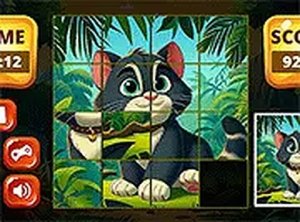
The control scheme relies on simple drag-and-drop actions, optimized for both mouse and touch inputs. A preview of the completed image is always available as a reference. Buttons for restarting or returning to the image selection screen are clearly placed. The game runs entirely within a web browser, requiring no additional software or account creation. This low barrier to entry makes it easy to start playing immediately on any device with internet access.
Strategic Approaches for Efficient Assembly
Experienced puzzle solvers often begin by grouping pieces based on color or edge type. Constructing the outer border first provides a structural frame. Within that frame, focusing on distinct regions—such as the car's front grille or the background scenery—can simplify the process. Taking short breaks when progress stalls allows the mind to reset. These methods help maintain steady progress without frustration, leveraging the game's stress-free design.


Audience comments
Sign in to comment
You must be logged in before posting a review or rating.
No account? Create one
No comments yet. Be the first to comment!