
About this game
Clinic Environment and Patient Encounters
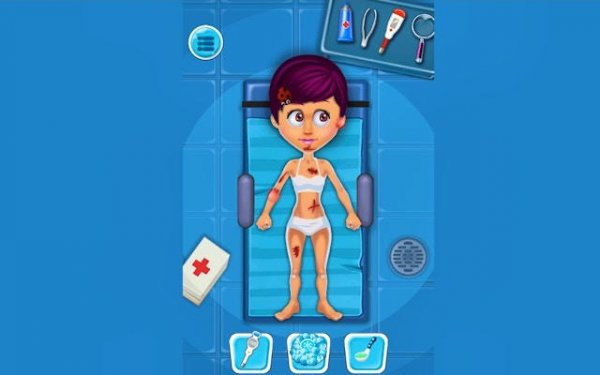
The game places players in a welcoming medical space designed to feel safe and approachable. Young patients arrive with different concerns, each requiring careful attention. The setting uses cheerful colors and friendly character designs to reduce any anxiety about medical topics. Players learn to identify symptoms by looking at visual cues on each patient, such as holding a sore spot or sneezing. This encourages careful observation before taking any action. The clinic layout stays consistent, so children can focus on the task without confusion.
Tool Selection and Treatment Process
A key part of the experience involves choosing the right item from a set of basic medical instruments. Players see a thermometer, bandage, stethoscope, and other common tools. The game provides subtle hints when needed, but the main challenge is matching the correct tool to the patient's condition. After applying the tool, a simple animation shows the treatment taking effect. This step-by-step approach builds familiarity with medical procedures in a low-pressure way. Each successful interaction reinforces the connection between observation and action.
Progress and New Challenges
As players complete treatments, they unlock additional cases and tools. This gradual introduction keeps the content fresh without overwhelming young minds. Early cases might involve a scraped knee or a mild fever, while later ones could include a stuffy nose or a small cut. The progression feels natural, allowing children to build confidence with each success. A visual progress indicator shows how many patients have been helped, giving a sense of accomplishment. The game avoids time limits or penalties, so kids can learn at their own pace.
Positive Feedback and Encouragement
After each successful treatment, patients smile and offer thanks. The game uses encouraging messages and small visual rewards to celebrate each step. This positive reinforcement helps children associate helping others with good feelings. There are no failure states or negative outcomes, which keeps the experience stress-free. The focus stays on kindness and empathy rather than competition or speed. This design makes the game suitable for very young players who are still developing emotional awareness.
Learning Through Play
The game introduces basic health concepts in a natural way. Children learn that different symptoms require different responses, and that careful observation leads to better outcomes. The medical tools are presented as helpful items rather than scary objects. By interacting with the clinic environment, kids gain a simple understanding of how doctors help people feel better. The game does not teach complex medical facts but instead focuses on the human side of care. This approach aligns with early childhood education goals about community helpers and empathy.


Audience comments
Sign in to comment
You must be logged in before posting a review or rating.
No account? Create one
No comments yet. Be the first to comment!